
Introduction to At-Home Printing Businesses
At-home printing businesses are gaining significant traction as an entrepreneurial opportunity in today’s digital era. This growth is primarily driven by the escalating consumer demand for personalized products, which has created a niche market ripe for exploitation. Individuals who wish to monetize their creative skills can now establish their own printing operations from the comfort of their homes, utilizing a variety of printing techniques, including DTF transfers, shirt pressing, and even 3D printing.
The rise of technology has remarkably streamlined the process for starting a printing business. With easy access to high-quality printers, software, and online resources, aspiring entrepreneurs can set up their operations with relatively low financial investment. Platforms that facilitate e-commerce have further enabled these entrepreneurs to reach a wider audience, allowing them to sell their custom-designed products directly to consumers. This shift towards online shopping, coupled with the capability to offer unique, personalized items, underscores the viability of at-home printing ventures.
Furthermore, each printing technique offers distinct advantages. For example, DTF transfers provide excellent versatility and are favored by creators for their ability to produce vibrant designs. On the other hand, shirt pressing offers an efficient method for customizing apparel. Additionally, the infusion of 3D printing in home businesses opens avenues for creating intricate designs and functional items, thus expanding product offerings. These distinct techniques not only cater to different market segments but also enable the business owner to refine their craft and diversify their income streams.
In summary, the accessibility of technology and the growing trend towards personalization position at-home printing businesses as a dynamic sector. Entrepreneurs leveraging these techniques stand to benefit from a continually evolving market, making it an appealing venture for those seeking independent business opportunities.

- ❤️❤️❤️ 2 YEARS of FREE Ink & Powder Starting from 2025, Get 5 bottles of 250ml ink + 500g powder every 2 months — just c…
- ❤️❤️Intelligent Auto-Cleaning System Built-in self-cleaning technology maintains peak performance by allowing you to set…
- 📺[LCD Multi-Function Control Panel + High-Performance Motherboard Check nozzles, clean print heads, and adjust layouts d…
Understanding DTF Transfers and Their Advantages
Direct-to-Film (DTF) transfers have emerged as an innovative printing technology gaining popularity among apparel makers and DIY creators. This method involves printing designs onto a special film using high-quality inks, which are then transferred onto various fabrics using heat and pressure. The versatility of DTF transfers allows for high-quality prints on a range of materials, making it particularly appealing for entrepreneurs pursuing custom shirt designs and other apparel manufacturing.
One of the primary advantages of using DTF printing is the exceptional quality of the final product. DTF transfers produce vibrant colors and intricate details that are often superior to other traditional printing methods, such as screen printing or heat transfer vinyl. The inks used in the DTF process penetrate the fabric, resulting in durable designs that are less likely to crack, fade, or peel over time. This durability is crucial for businesses offering custom apparel, as it enhances customer satisfaction and trust in the product.
Moreover, the ease of use associated with DTF printing is another significant advantage. The process does not require extensive setup or intricate preparation, making it suitable for both seasoned professionals and novices. Operating a DTF printer can be less labor-intensive than other methods, allowing users to streamline their workflow and reduce production time. This efficiency can translate into cost-effectiveness, as less time spent on each print can lead to increased profits for small-scale businesses.
Furthermore, DTF transfers are a cost-effective solution. The initial investment in a DTF printing system is often lower than that of a commercial-grade screen printing setup. Additionally, the ability to print on-demand diminishes waste and inventory costs that typically accompany bulk printing operations. Consequently, DTF transfers present a viable option for those looking to start a successful at-home printing venture.
Setting Up Your DTF Printing Station
Establishing a successful DTF (Direct to Film) printing station at home requires careful planning, the right equipment, and an organized workspace. DTF printing has gained popularity due to its versatility and ability to produce vibrant prints on various materials, making it a great option for an at-home printing business.
First and foremost, you will need essential equipment to get started. A high-quality printer capable of handling DTF inks is crucial. Look for printers that support wide-format printing to facilitate larger designs. Along with the printer, you will require a heat press machine designed for DTF transfers; this device ensures that your designs adhere properly to the fabric. Make sure to select a heat press with adjustable temperature and pressure settings to cater to different materials.
In addition to equipment, the right materials are vital for efficient DTF printing. Invest in high-quality transfer film and specialized DTF ink, as these components directly influence the quality of the final product. It is also advisable to stock up on a variety of substrates if you plan to print on multiple types of items, including t-shirts, promotional items, and more.
Workspace organization plays a significant role in streamlining your DTF printing process. Designate a specific area in your home where you can set up all of your equipment. Make sure this space is well-ventilated, especially when using certain inks and adhesives. Keep your tools, such as scissors, tweezers, and cleaning materials, organized and within easy reach to minimize disruption during the printing process. Labeling storage spaces can also enhance efficiency, allowing for quick identification of supplies.
Overall, setting up a DTF printing station requires careful consideration of both equipment and workspace logistics. With the right setup, you can create high-quality prints easily and efficiently.


Shirt Pressing Techniques for Maximum Impact
Shirt pressing is a crucial step in the DTF transfer process, as it determines the quality and durability of the print. Understanding the various techniques and equipment available can significantly impact your at-home printing business. One of the primary essentials is selecting the right heat press. There are different types of heat presses, including clamshell, swing-away, and cap presses. For DTF transfers, a clamshell heat press is often preferred due to its space efficiency and ease of use.
Choosing the appropriate temperature and pressure settings is vital for successful transfers. Different fabrics require specific settings to ensure optimal results. For instance, cotton fabrics typically need a temperature range of 320-350°F and a medium pressure, while polyester blends may require slightly lower temperatures to prevent damage. It is advisable to conduct test presses on fabric scraps to find the perfect balance before starting your main project.
Alongside the correct settings, timing plays a significant role. DTF transfers usually need 15 to 20 seconds of pressing time, depending on the fabric type and thickness. It is crucial to observe the recommended pressing time closely, as over-pressing could ruin the transfer. Another essential technique involves pre-pressing the shirt to eliminate moisture and wrinkles, ensuring a smooth surface for applying the transfer. This small step can dramatically enhance the quality of the final product.
Lastly, after pressing, allow the fabric to cool completely before peeling the transfer film. This cooling period is essential for ensuring that the design adheres properly and maintains its integrity after the application. By utilizing the right equipment, settings, and techniques, you can maximize the effectiveness of your shirt pressing process and elevate the quality of your DTF transfers.


Candle Making as a Profitable Side Hustle
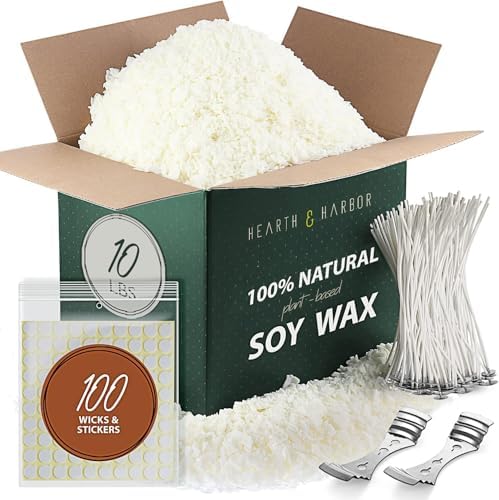
Candle making has emerged as a popular and rewarding side hustle that complements the growing trend of home-based businesses. It requires relatively low initial investment and can provide a steady stream of income when combined with other ventures such as printing and shirt pressing. This section explores the materials needed, basic techniques for beginners, and effective marketing strategies to supplement your home business.
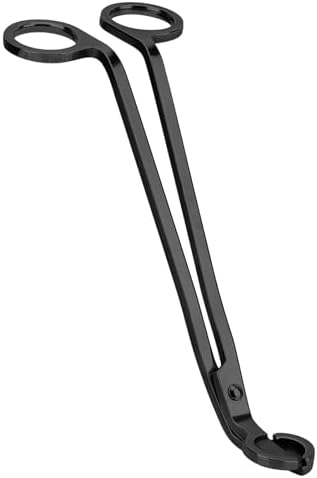
To get started with candle making, the basic materials you will need include wax, wicks, molds, fragrance oils, and dyes. Paraffin, soy, and beeswax are common types of wax used in candle production. Beginner-friendly kits, often available from craft stores or online retailers, contain all the essential materials and easy-to-follow instructions, making the process accessible to anyone with a willingness to learn.
Once you have gathered your materials, understanding the fundamental techniques of candle making is crucial. The methods involve melting the wax, incorporating fragrance and color, and pouring it into molds or containers. Beginners may initially experiment with simple container candles before progressing to more complex designs such as pillar candles or shaped candles. Mastering the basics will not only enhance your skills but also increase the potential for unique and appealing products.
To successfully market and sell your handmade candles alongside your printing products, consider leveraging platforms such as social media, local craft fairs, and e-commerce sites. Creating an online presence can significantly enhance visibility, allowing you to showcase your products and tell your brand’s story. Additionally, bundling candle offerings with other printing products can provide a personalized experience for customers, enhancing overall engagement and potentially increasing sales.
Incorporating candle making into your home business can be a fulfilling venture that meets the rising consumer demand for artisanal and handcrafted items.



Exploring the World of 3D Printing
3D printing, a revolutionary technology that converts digital files into physical objects, has gained significant traction in both commercial and personal contexts. This process, also known as additive manufacturing, allows individuals to create complex designs and prototypes with a remarkable degree of precision. For those considering starting an at-home printing business, understanding the ins and outs of 3D printing is essential in order to leverage its capabilities effectively.
There are several types of 3D printers available on the market today, each offering unique advantages depending on the material used and the complexity of the project. Fused Deposition Modeling (FDM) printers are highly popular for home use, as they are usually affordable and user-friendly. These printers extrude melted plastic to build objects layer by layer. Stereolithography (SLA) printers, on the other hand, use a UV light source to cure resin, resulting in more intricate and detailed prints. Alternatively, Selective Laser Sintering (SLS) printers utilize powdered materials and lasers to create durable objects, although these tend to be more expensive and complex.
When starting your at-home 3D printing business, there are best practices to follow for design and production. Utilizing software such as Tinkercad or Blender can enhance your design capabilities, ensuring that models are optimized for the chosen printer. Additionally, it is crucial to conduct thorough testing to determine the best settings for speed, temperature, and support structures, as these factors can significantly influence the quality of the final product.
In terms of market opportunities, the versatility of 3D printing allows for a variety of products to be created. From customized gifts, tools, and home decor to using them as complementary items in other crafts like candle making or apparel, the possibilities are endless. In conclusion, embracing 3D printing within your at-home business can open up new avenues for creativity and profitability, making it a worthwhile venture in today’s market.

- High-Speed Precision: Experience unparalleled speed and precision with the Bambu Lab A1 3D Printer. With an impressive a…
- Multi-Color Printing with AMS lite: Unlock your creativity with vibrant and multi-colored 3D prints. The Bambu Lab A1 3D…
- Full-Auto Calibration: Say goodbye to manual calibration hassles. The A1 3D printer takes care of all the calibration pr…
Marketing Your At-Home Printing Business
Successfully marketing your at-home printing business is crucial for attracting customers and establishing a profitable enterprise. To begin, it is important to identify your target market. Understanding who will benefit most from your services—whether that be local customers seeking custom shirts, crafters looking for candle-making supplies, or tech enthusiasts interested in 3D printing—can help tailor your marketing efforts.
Once you’ve identified your target audience, consider leveraging social media platforms to promote your products and services. Using visual platforms like Instagram and Pinterest allows you to showcase your designs and printing capabilities effectively. Creating engaging content that highlights the quality of your DTF transfers or eye-catching shirt designs can attract potential customers. Engaging with your audience through posts, stories, and live demonstrations can also build a community feeling that encourages customer loyalty.
In addition to social media, establishing an online store is an essential step for modern entrepreneurs. Utilizing e-commerce platforms such as Shopify or Etsy enables you to reach a wider audience beyond your local area. Ensure your online store is user-friendly, and optimize it with high-quality images and detailed descriptions of your products. SEO practices can further enhance your visibility in search engines, making it easier for customers to find your business.
Lastly, do not overlook local markets and craft fairs as promotional avenues. These events provide direct access to your community and present an excellent opportunity to showcase your products, engage with customers face-to-face, and gather feedback. Offering live demonstrations on DTF printing or candle making at such events can effectively attract new customers. By strategically combining these marketing approaches, you can create a strong presence for your at-home printing business.
Managing Finances and Pricing Your Products
Establishing a successful at-home printing business requires a firm understanding of financial management and product pricing. A well-thought-out strategy for calculating costs not only ensures that your business remains viable but also allows you to identify opportunities for growth. The very first step is to determine your fixed and variable costs. Fixed costs include rent, utilities, and any business licenses, while variable costs encompass materials, shipping, and labor associated with fulfilling orders. Understanding these costs is crucial for setting sustainable pricing.
When pricing your products, consider the following formula: total costs (fixed + variable) plus the desired profit margin. For example, if your total costs for a shirt are $10 and you aim for a profit, your selling price would be between $16-$20. It’s essential to research the market and assess competitors’ pricing to ensure that your products are priced competitively yet profitably.
Tracking expenses is another vital aspect of financial management. Utilize accounting software or spreadsheets to meticulously document all business-related transactions. Monitoring your cash flow can help identify financial trends, allowing for timely adjustments. Regularly reviewing your financial statements ensures that you have a clear understanding of your income versus expenses, as well as your overall financial health.
Maintaining a handle on profits allows you to reinvest strategically in the business. This could mean upgrading equipment for better production efficiency or expanding your product range, like adding new printing techniques or venturing into complementary products. Ultimately, controlling your finances and understanding pricing strategies not only safeguards your business but equips you for long-term success and sustainability in the competitive market of at-home printing.
Scaling Your Business: Tips for Growth
As your at-home printing business begins to flourish, strategizing for growth is essential to sustain momentum. Initially, it is vital to assess whether the demand for your products is consistent. If your current offerings in DTF transfers, shirt pressing, or candle making are performing well, consider expanding your product line. Diversifying into related areas—such as adding 3D printing services—can enhance your appeal to a broader audience, thus driving sales.
Additionally, as business volume increases, recognizing the right time to hire assistance becomes imperative. Hiring part-time or full-time help can alleviate the pressures of production, allowing you to focus on customer service and marketing strategies. This assistance can take various forms, including skilled labor for printing tasks or administrative support for managing orders and inventory.
Investing in advanced equipment is another strategy that can significantly impact your scalability. High-quality printers, enhanced software for design, and state-of-the-art tools can streamline your workflow and improve overall product quality. These upgrades can ultimately lead to greater efficiency and higher profit margins.
Exploring new markets is equally crucial for scaling your business. Researching and identifying potential customer segments—such as corporate clients or local artisans—can create additional revenue streams. Leveraging social media and online marketing to reach these audiences can significantly increase your customer base. Participating in craft fairs and community markets can also enhance visibility while providing opportunities to connect with potential buyers.
In conclusion, scaling your at-home printing business involves a combination of product diversification, strategic hiring, equipment investment, and market expansion. Each of these elements plays a critical role in fostering long-term success and sustainability in the competitive landscape of printing and craft businesses.